
ERP,
Rethought
Intelligent processes, more growth!
dicobis brings Microsoft Business Central into your operations — an ERP that works in day-to-day business and stays rock-solid at peak. Specialized in e-commerce, omnichannel retail, and logistics.
Book Your Session NowWhat runs in standard operations also holds up in high season. Load peaks are planned into the system — not into the contingency plan.
More orders, more channels, new locations and entities — Business Central grows with you, without forcing you to rethink the architecture.
Standard processes run automatically. Your attention goes where it is truly needed: exceptions, decisions, and growth topics.
Revenue, inventory, and margins per channel are visible daily. Via Power BI, all the way to dashboards for management and investors.

More channels, more orders, more complexity. We bring orders, inventory, pricing, and invoicing into one stable, automated flow — from web store through marketplaces and POS into accounting.
E-Commerce ERP Omnichannel ERP Retail ERP Wholesale ERP
One platform for warehousing, shipping, track & trace, and client billing — modular, integrated, built on the Microsoft standard. You gain speed and transparency without having to scale your organization at the same pace.
LogisticsBlack Friday arrives, traffic spikes — and suddenly your inventory numbers no longer add up. With Business Central and dicobis.commerce, your web store, marketplaces, and brick-and-mortar stores all see the same available stock in real time. Overselling and out-of-stock situations are avoided without anyone manually reconciling systems.

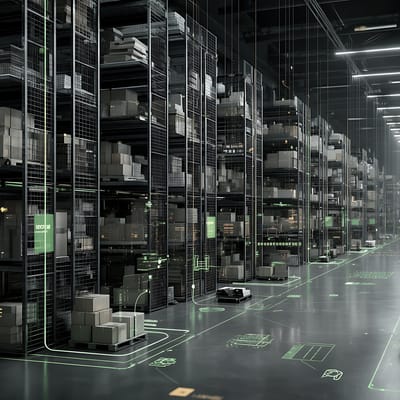
Bins, batches, serial numbers, and multiple warehouses — managed in one system instead of spreadsheets and gut feeling. Business Central books every movement in real time, so picking, replenishment, and stocktaking run on reliable numbers. You always know what is where, in what quantity, and what is available to promise.
A promotion is only as good as the stock behind it. With dicobis.planning, you forecast demand for campaigns, seasonal peaks, and new products from current sales and order data — and purchase and allocate accordingly. So the offer that drives the traffic doesn't run into an empty warehouse.

When orders, inventory, shipping, and finance are stuck in separate tools, you get duplicate work, errors, and blind spots. Microsoft Dynamics 365 Business Central brings purchasing, warehousing, sales, accounting, and reporting into one cloud system that keeps pace with your growth. dicobis adds preconfigured industry solutions on top and takes the project to go-live with a standardized approach.
More About Business CentralPreconfigured industry solution for multichannel retailers. Web store, marketplaces, and POS controlled centrally — inventory, prices, and orders converge in one system.
Discover dicobis.commerceOur own REST API platform for integrations. Connect web stores, marketplaces, and third-party systems — with central monitoring, automatic retry logic, and a complete audit trail. No classic interface project required.
Discover dicobis.connectAutomated demand planning. Demand forecasts for growth, seasonality, and new products — based on current sales and order data. Instead of Excel and gut feeling.
Discover dicobis.planningProven industry standard for logistics providers — built on Business Central. WMS, TMS, freight forwarding, and finance & billing on one platform.
Discover 3PL DynamicsBook your free assessment session. You'll receive an initial evaluation of effort, benefits, and next steps — tailored to your situation.
Book Your Session NowWith clear phases, fixed milestones, and clean testing, we bring projects to the finish line in a structured way. The result is a system that works in daily business and stays stable at peak.
See How We WorkMonths to project start
Months standard timebox to go-live
successful projects



In the assessment session, we work out a solid foundation for your next ERP decision together. You receive a written evaluation — not a sales presentation.